
DEHUMIDIFICATION PACKAGING MATERIAL

Dehumidification Packaging Materials for Moisture Absorber Products

Breathable, water-resistant and heat-sealable material solutions for dehumidification boxs, dehumidification standing bags, moisture absorber and hanging dehumidification bags.

Core Materials
GSH-75 STSN-100
Send Your Inquiry
Dehumidification Material Solutions

Breathable Materials for Moisture Absorber Packaging

Material solutions for dehumidification boxes, dehumidification bags.
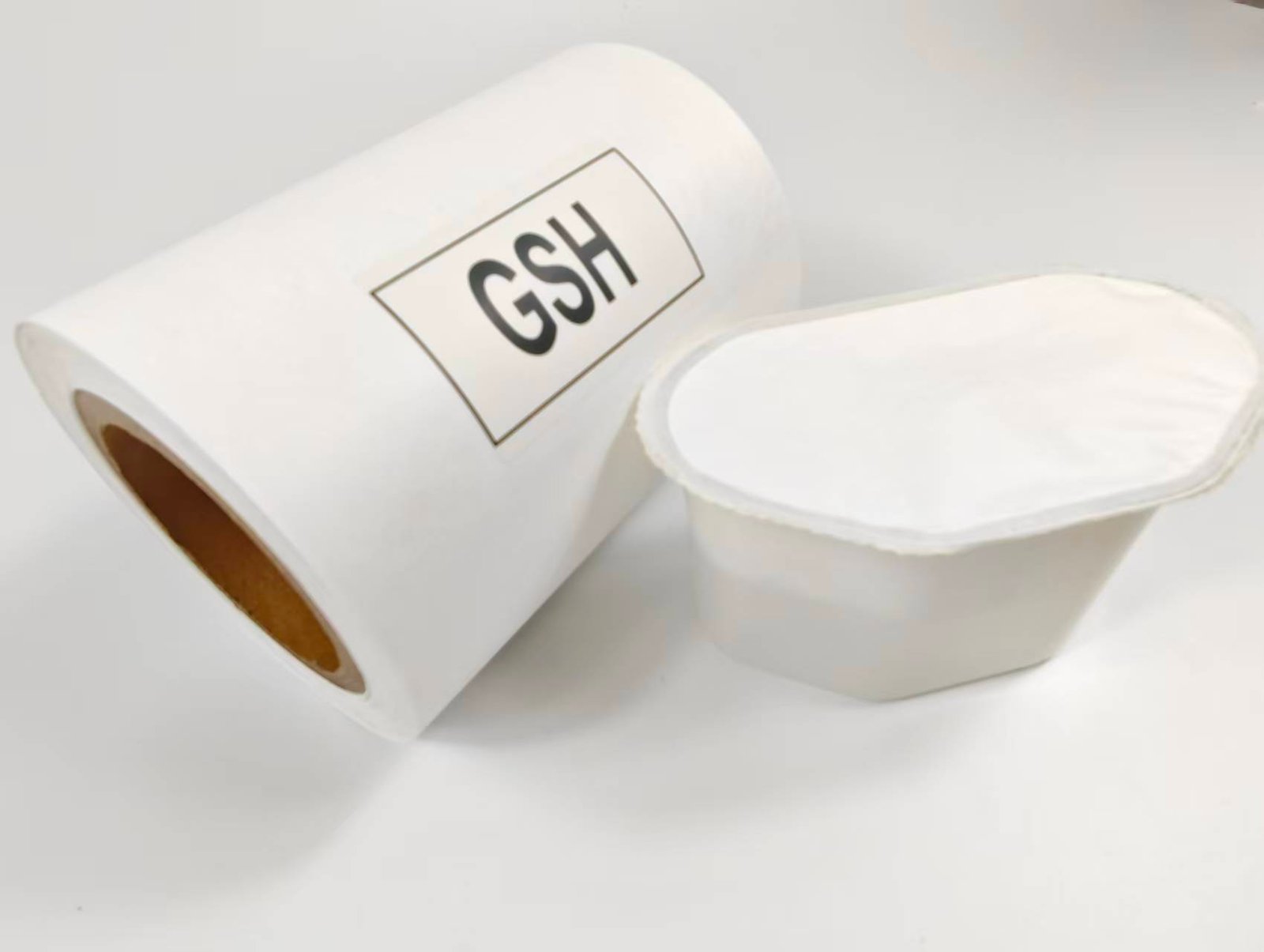
GSH-75 Dehumidification Packaging Material
GSH-75 Material

GSH-75 Dehumidification Packaging Material

GSH-75 is designed for moisture absorber and dehumidification packaging, offering stable breathability, water resistance and reliable sealing performance.

  • Suitable for dehumidification boxes and absorber bags.
  • Breathable structure supports moisture absorption.
  • Good water resistance and sealing stability.
  • Available for roll material and finished bag production.
Request GSH-75 Material
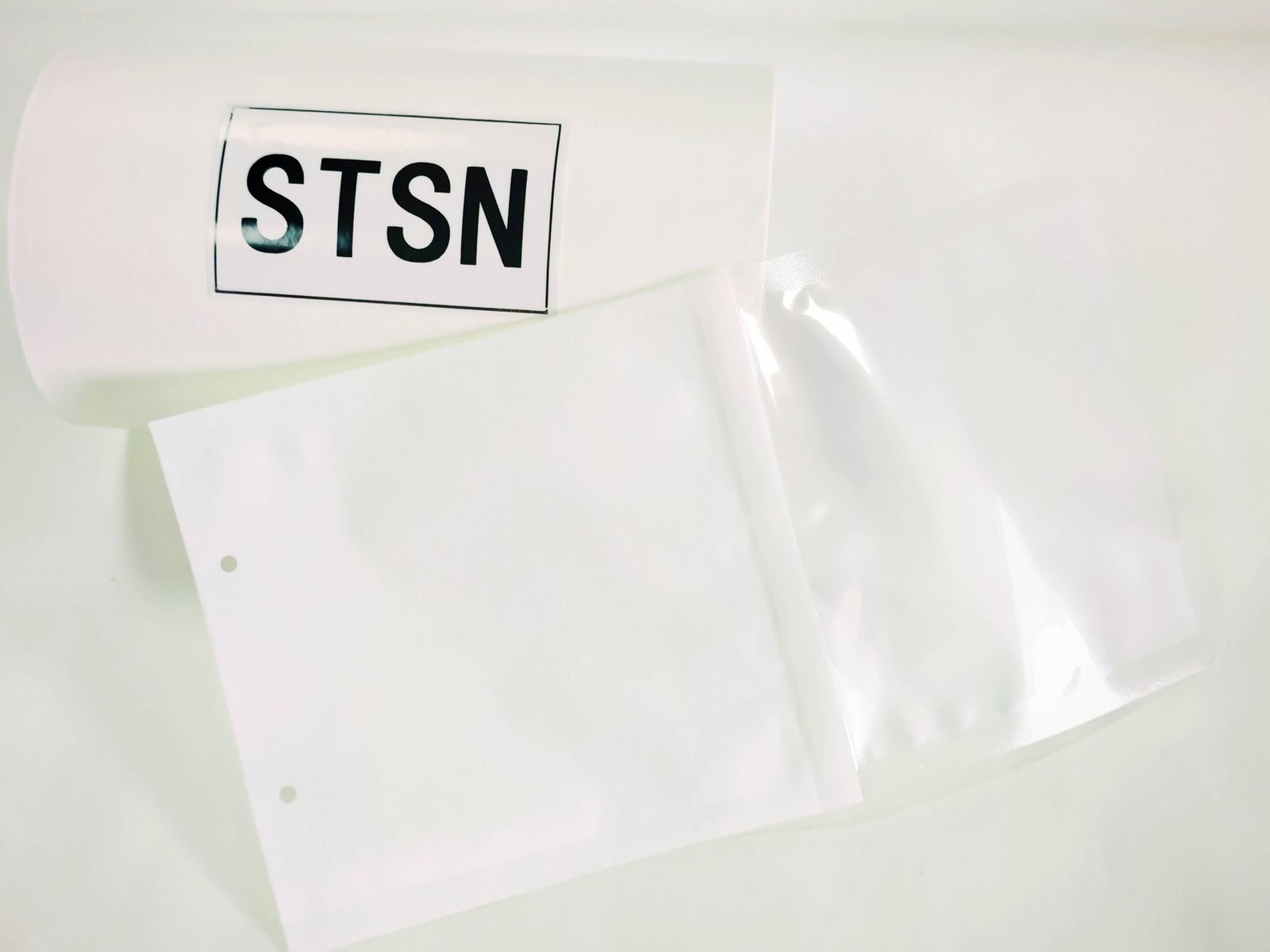
STSN-100 Dehumidification Packaging Material
STSN-100 Material

STSN-100 Breathable Packaging Material

STSN-100 is a breathable and water-resistant material for higher-performance dehumidification packaging and moisture-control applications.

  • Suitable for hanging dehumidifier bags and standing bags.
  • Stable breathable performance for humidity control.
  • Strong material structure for demanding packaging use.
  • Customizable width, printing and finished bag format.
Request STSN-100 Material
Technical FAQ

FAQ About Dehumidification Packaging Materials

Key technical questions about breathable non-woven materials for calcium chloride dehumidification boxes, hanging bags, standing bags and moisture absorber packaging.

No. For calcium chloride dehumidification products, the key is not only air permeability, but more importantly water vapor transmission rate, liquid water barrier and material stability.

If the material is too open, it may absorb moisture quickly, but the liquid saltwater barrier may decrease. If the material is too dense, it may become very leak-proof, but the moisture absorption start-up speed may become slower. A better material should balance high moisture vapor transmission with high liquid barrier performance.

Calcium chloride does not simply absorb water on the surface. When the humidity reaches a certain level, it continues to absorb moisture from the air and gradually forms calcium chloride brine or a high-concentration saltwater solution.

This means the packaging material must handle both water vapor transmission and liquid barrier protection. The material needs salt resistance, lamination strength, sealing integrity, long-term aging resistance and a stable breathable waterproof structure. Ordinary spunbond non-woven fabric cannot be used directly for this application.

Not recommended. These products have different structural requirements and different mechanical performance requirements for packaging materials.

Dehumidification boxes focus on moisture permeability efficiency, anti-liquid splashing and stable heat sealing. Standing bags need moisture permeability, leak-proof liquid performance and bag body stiffness. Hanging bags require breathable and leak-proof performance, high load bearing capacity, tear resistance and long-term suspension stability.

After absorbing moisture, calcium chloride products become heavier. Especially for hanging dehumidifier bags, the material must be tested for MD tensile strength, CD tensile strength, tear strength, hanging load, sealing strength and wet-state strength.

The expression “one-way breathable membrane” is often used in the market, but from a material science perspective, the material should allow water vapor transmission while forming a high barrier to liquid water or saltwater.

Reverse osmosis risk is affected by several factors, including hydrostatic resistance, pore structure, pore size distribution, surface wettability, brine compatibility and pressure. When dehumidification bags are laid flat, inverted, squeezed or stacked, liquid may stay in contact with the breathable layer for a long time. Therefore, no leakage under normal pressure does not necessarily mean no leakage under compression or long-term contact with saltwater.

The weakest point of the final product is often the seal area rather than the material body. Possible causes include false sealing, heat-sealing channels, wrinkled sealing edges, salt particle pinching, poor local sealing and peeling of the composite layer after heat sealing.

When calcium chloride particles enter the heat-sealing area, small leakage channels may form along the sealed edge. This is also known as channel leakage, which is one of the common causes of leakage in dehumidification packaging.

Contact Super Shield

Tell Us Your Packaging Material Needs

Share your application, material structure, roll width, printing requirements or finished bag needs. Our team will recommend a suitable solution for your project.

Fast Response We will contact you as soon as possible.
Custom Materials Support roll material, printing and finished bags.
Application Support For desiccants, deoxidizers and functional packaging.